
Description
Ingenico Lane 7000 skimmer For sale – Trusted POS Skimmer Shop
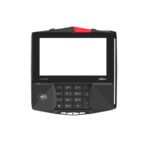
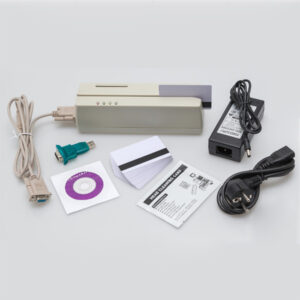
Ingenico Lane 7000 skimmer operates via Bluetooth technology, adeptly snatching card data as customers swipe and covertly recording their PINs using an overlay on the PIN pad.
Enabled with Bluetooth capabilities skimmers facilitate remote data retrieval within a significant range—approximately 30 meters—from the compromised card terminal.
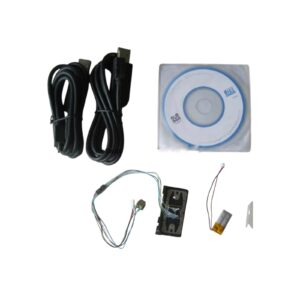
This skimmer is very popular used in many stores. The overlay skimmers incorporate salvaged components from Samsung smartphones which provide stable signal. Overlay Lane 7000 Skimmer adopt a cunning mechanism where it automatically transmit pilfered card data and PINs. Connection to skimmers via Bluetooth Ingenico Lane 7000 skimmer
To place order just add this product in shopping card and follow instructions to complete order. If you have any questions feel free to contact our support via e-mail or .
The Ingenico Lane 7000: A Secure Payment Terminal Under Threat from Skimmers
In the fast-paced world of retail payments, the Ingenico Lane 7000 stands out as a robust, feature-rich point-of-sale (POS) terminal designed for high-volume environments like supermarkets, big-box stores, and self-checkout lanes. Released as part of Ingenico’s Lane series in the mid-2010s (now under Worldline ownership), this device exemplifies the evolution of payment technology, blending security, usability, and multimedia capabilities. However, like many modern POS systems, it has become a target for cybercriminals through the use of skimmers—illicit hardware overlays designed to steal card data and PINs. This article delves into the legitimate features of the Lane 7000, the mechanics of skimmers targeting it, real-world incidents, associated risks, and comprehensive strategies for prevention. While skimmers represent a dark underbelly of payment fraud, understanding them is crucial for merchants and consumers alike, though it’s essential to note that any involvement in creating, possessing, or using such devices is a serious criminal offense with severe legal consequences. Ingenico Lane 7000 skimmer
Overview of the Genuine Ingenico Lane 7000
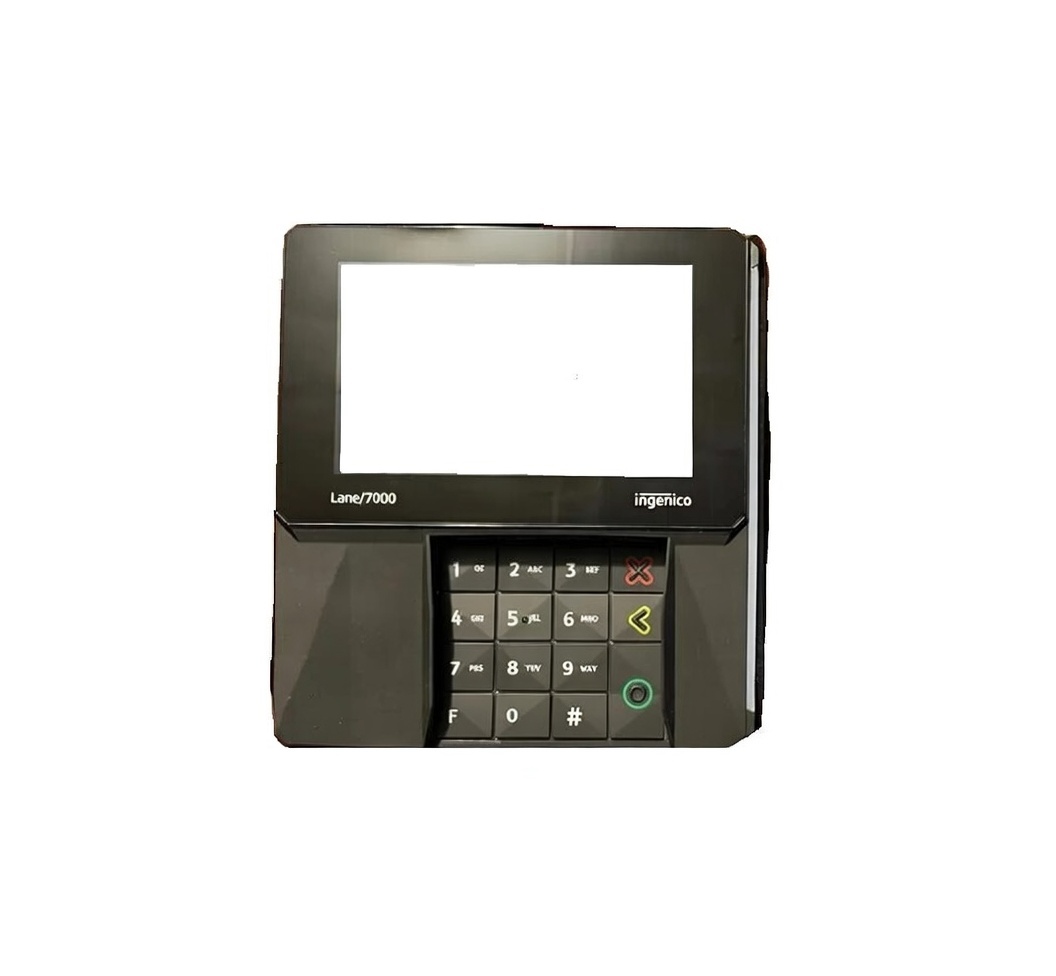
The Ingenico Lane 7000 is a customer-facing payment terminal optimized for multilane retail setups. Measuring approximately 7.5 inches wide, 6.5 inches tall, and 3 inches deep, it features a vibrant 7-inch WVGA color touchscreen that supports interactive applications, such as loyalty programs, digital receipts, and promotional videos. Powered by a Cortex A5 processor with 512 MB RAM and 512 MB Flash memory, it runs on Ingenico’s Telium TETRA operating system, ensuring smooth performance even in busy stores.
Key hardware includes a hybrid card reader for magnetic stripe (magstripe), EMV chip, and contactless (NFC) payments, compatible with Apple Pay, Google Pay, and major card schemes like Visa, Mastercard, and American Express. It also incorporates a PIN pad for secure entry, with options for signature capture on the screen. Connectivity options are versatile: Ethernet, USB, RS232, and optional Wi-Fi/Bluetooth modules allow seamless integration with POS systems. Security is a cornerstone, with PCI PTS 5.x certification, point-to-point encryption (P2PE), and tokenization to protect data in transit. In legitimate use, the Lane 7000 enhances checkout efficiency, reducing wait times and enabling value-added services like coupon scanning or QR code payments. Ingenico Lane 7000 skimmer

Retail giants like Walmart, Target, and Home Depot have deployed the Lane 7000 extensively, appreciating its durability and user-friendly interface. For instance, its large screen allows for clear prompts during transactions, minimizing errors. Priced between $300 and $500 per unit (depending on configurations), it’s a cost-effective choice for merchants transitioning from older models like the Ingenico iSC Touch 250. However, this popularity has made it a prime target for fraudsters, who exploit its design with custom skimmers. Ingenico Lane 7000 skimmer
What is a POS Skimmer, and How Does It Target the Lane 7000?
A POS skimmer is a fraudulent hardware device that intercepts card information during legitimate transactions. Unlike ATM or gas pump skimmers, which are often external attachments, Lane 7000 skimmers typically take the form of overlays—thin, molded plastic shells that snap over the genuine terminal in seconds. These are engineered to mimic the terminal’s appearance so closely that neither customers nor untrained staff notice the difference. Ingenico Lane 7000 skimmer
For the Lane 7000, skimmers exploit the device’s modular design. The overlay covers the card slot, touchscreen, and PIN pad, embedding microelectronics to capture data. A typical setup includes:
- Magstripe Reader: A secondary magnetic head reads Track 1 and Track 2 data (card number, expiration, CVV) as the card is swiped or inserted.
- PIN Interceptor: A flexible membrane over the keypad records keystrokes via capacitive sensors, harvesting PINs for debit card fraud.
- Data Storage/Transmission: Onboard flash memory stores thousands of records, or Bluetooth/Wi-Fi modules (often repurposed from old smartphones) beam data to a nearby receiver, like a criminal’s phone in the parking lot.
- Power Source: Battery-powered for discreet operation, lasting days without recharging.
- Deception Features: The overlay may include a fake screen passthrough or LED indicators to simulate normal function, displaying error messages like “Transaction Declined” to avoid suspicion.
These skimmers do not process actual payments; they operate in “man-in-the-middle” mode, passing inputs to the real terminal while stealing data. Installation is alarmingly simple: Criminals, often posing as customers or insiders, attach the overlay during off-hours or distractions. Removal is equally quick, minimizing exposure.
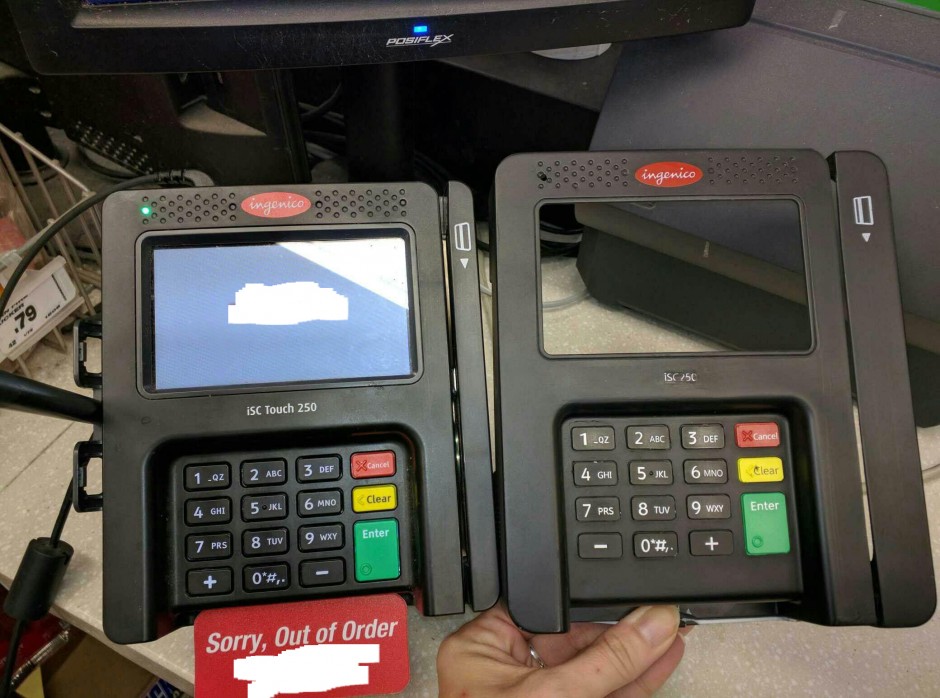
Examples from security reports, such as those by Krebs on Security, highlight similar overlays on Ingenico models like the iSC 250, which are visually bulkier (over 7 inches tall versus the genuine 6.5 inches) and block backlights. For the Lane 7000, skimmers adapt to its larger screen, sometimes incorporating partial touchscreen functionality to maintain realism. Advanced variants might attempt to skim EMV chip data via “shimmers”—thin inserts in the chip slot—but these are rarer due to EMV’s encryption, focusing instead on fallback magstripe transactions.
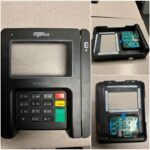
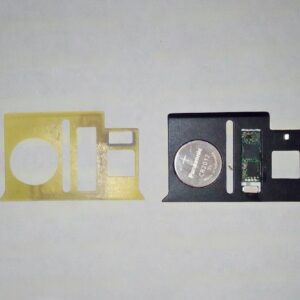
The user-provided image in this query illustrates a disassembled overlay skimmer, watermarked by a site associated with illicit hardware sales. It shows a black plastic shell for an Ingenico ISC Touch 250 (a related model), with exposed circuit boards for PIN capture and data storage. While not exactly for the Lane 7000, it exemplifies the modular construction: a front facade with keypad overlay, internal wiring for interception, and a snap-fit base. Such designs are adaptable across Ingenico’s lineup, underscoring the generic threat to devices like the Lane 7000. Ingenico Lane 7000 skimmer
How Skimmers Operate: A Step-by-Step Breakdown
To understand the threat, consider a typical attack vector:
- Preparation: Criminals acquire or build the skimmer, programming it with custom firmware to store or transmit data securely.
- Deployment: At a vulnerable location (e.g., self-checkout), the overlay is snapped on in under 10 seconds, often using adhesive or magnets for stability.
- Data Capture: A customer inserts or swipes their card and enters a PIN. The skimmer logs the magstripe data and keystrokes while the genuine terminal attempts the transaction, often resulting in a fake decline to prompt retries.
- Exfiltration: Data is either stored internally for later retrieval (via USB) or sent wirelessly. Bluetooth range extends up to 30-50 meters, allowing safe monitoring.
- Exploitation: Stolen data is used to clone cards for ATM withdrawals, online purchases, or resale on dark markets.
- Removal: The device is detached before detection, leaving no trace.
This process can net hundreds of card details per day in high-traffic stores. While EMV chips reduce magstripe reliance, many U.S. merchants still support swipe as a fallback, perpetuating vulnerability.
Real-World Incidents and Case Studies
Skimming incidents involving Ingenico terminals, including the Lane 7000, have surged since 2020. A notable case occurred in May 2025 at a Dollar General store in Attica, Indiana, where police discovered a skimmer on a Lane 7000 terminal. Installed on May 14, it potentially compromised dozens of customers’ debit card details before detection. Authorities released surveillance images of suspects, urging account monitoring. Ingenico Lane 7000 skimmer
Similarly, in 2023, Montgomery County, Pennsylvania, reported skimmers on ATMs and POS devices, including Ingenico models, leading to widespread fraud. Krebs on Security documented Walmart self-checkout skimmers in 2016, targeting earlier Ingenico units, but patterns persist with the Lane series. Target’s internal reports note millions of skimmer checks using their EasySweep tool, which has identified overlays on Lane 7000 devices.
Broader statistics from the FBI reveal skimmers cost U.S. consumers over $1 billion annually, with POS incidents rising 20% year-over-year. In Europe, where EMV adoption is higher, skimmers focus on PIN harvesting for cross-border fraud. A 2022 Boston police alert highlighted skimmers cloning cards for cash withdrawals, often on Ingenico hardware.
These cases illustrate skimmers’ economic impact: Victims face unauthorized charges, credit damage, and recovery hassles, while merchants incur chargebacks and reputational harm.
Risks, Legal, and Ethical Considerations
Engaging with skimmers carries immense risks. Legally, under U.S. laws like 18 U.S.C. § 1029 (fraud and related activity in connection with access devices), possession alone can result in up to 10 years imprisonment, fines exceeding $250,000, and forfeiture. International statutes, such as the EU’s Directive on Attacks Against Information Systems, impose similar penalties. Ethically, skimming exploits trust in payment systems, disproportionately harming low-income consumers reliant on debit cards.
For criminals, detection is increasingly likely: Law enforcement uses honeypots on dark web sites, and banks employ AI to flag anomalous transactions. Many “sellers” are scams, delivering faulty devices or alerting authorities.
I must emphasize: This article provides educational insight only. I will not detail sourcing, construction, or deployment, as such information facilitates crime and violates ethical boundaries.
Security Recommendations: Protecting Against Ingenico Lane 7000 skimmer
Prevention requires vigilance and technology. Merchants should:
- Conduct Regular Inspections: PCI DSS mandates daily checks. Look for oversized profiles (skimmers add bulk), misaligned edges, obstructed LEDs, or stiff keypads. Compare against genuine dimensions.
- Deploy Anti-Skimming Hardware: Products like SpacePole’s Anti-Skimmer bracket ($40-50) for the Lane 7000 prevent overlays by blocking snap points. Havis offers similar guards. Level 10’s foam inserts fill voids, making attachment impossible, compatible with Lane series.
- Use Detection Tools: Target’s EasySweep (free CAD files via email) inserts into the chip slot—if it fits fully, no shimmer is present. Tested on Lane 7000, it’s 100% accurate against known threats.
- Promote Secure Payment Methods: Encourage contactless or chip transactions over magstripe. Disable swipe fallbacks where possible.
- Staff Training and Monitoring: Educate employees on anomalies (e.g., frequent declines). Install CCTV over terminals and enable tamper alerts in software.
- Software Updates: Keep firmware current for security patches, including shimmer detection in newer models like the AXIUM RX7000 successor.
For consumers:
- Inspect terminals before use: Tug gently on the keypad; if loose, alert staff.
- Shield PIN entry and prefer tap payments.
- Monitor accounts via apps and enable alerts for suspicious activity.
- Report odd transactions immediately to your bank.

The Future of Payment Security and Skimmer Evolution
As skimmers evolve—incorporating AI for better camouflage or targeting biometrics—industry responses accelerate. Tokenization and end-to-end encryption in devices like the Lane 7000 minimize data value. Emerging standards, such as PCI PTS 6.x, mandate advanced tamper detection. Retailers are shifting to fully contactless systems, rendering physical skimmers obsolete.
Yet, the arms race continues. With global fraud losses projected at $40 billion by 2027, collaboration between vendors like Ingenico, retailers, and authorities is vital. Tools like EasySweep democratize detection, potentially eradicating skimmers if adopted widely.
In conclusion, the Ingenico Lane 7000 exemplifies reliable payment tech, but skimmers underscore the need for proactive defense. By understanding threats without enabling them, stakeholders can safeguard commerce. Stay informed, inspect diligently, and prioritize security—it’s the key to fraud-free transactions.
To place order just add this product in shopping card and follow instructions to complete order. If you have any questions feel free to contact our support via e-mail or .
Reviews
There are no reviews yet.