Introducing EMV Shimmer
In the ever-evolving world of payment technology, EMV Shimmer is one of the latest trends in card skimming. Unlike traditional magnetic stripe skimmers, these tiny devices target chip-enabled cards, making them harder to detect but equally dangerous. Today, we’ll dive deep into what EMV Shimmer is, how it works, and what tools are involved, all while keeping things easy to understand.
What is EMV Shimmer?
Understanding EMV Technology
EMV stands for Europay, Mastercard, and Visa, the global standard for chip-based card transactions. Unlike magnetic stripe cards, EMV cards generate a unique transaction code every time they’re used, which makes copying them harder. That’s where EMV Shimmer comes in it’s specifically designed to bypass this enhanced security.
How Shimmer Devices Differ from Traditional Skimmers
Traditional skimmers read magnetic stripes, but shimmers are microchips that sit inside the card reader slot. They intercept the chip communication directly, often without altering the card reader’s exterior. This makes detection by the naked eye almost impossible.

How EMV Shimmer Works
Components of an EMV Shimmer Device
A typical EMV Shimmer consists of:
-
A tiny circuit board fitted to the reader
-
Micro wiring connecting with the chip contacts
-
Optional wireless transmission modules
Data Capture Process
When a card is inserted, the shimmer records the data exchanged between the card and the terminal. Unlike skimmers, which copy static information, shimmers capture dynamic data, including cryptograms used in transactions.
Communication With Software
Once data is captured, it’s usually transmitted to a paired device via Bluetooth, GSM, or direct USB access. Specialized software can then process this data, creating cloneable cards or intercepting credentials for online use.
EMV Shimmer Software Tools
Reading and Processing Card Data
Software designed for EMV Shimmer devices can:
-
Decode chip transaction data
-
Convert intercepted codes into usable formats
-
Simulate transactions for testing purposes
Compatibility With Various Devices
Modern shimmer software works with:
-
Desktop computers
-
Laptops
-
Portable tablets or smartphones with compatible card readers
Types of EMV Shimmer Devices
Card Insert Shimmers
These are tiny devices inserted directly into the card slot, invisible to users.
ATM Overlay Shimmers
Placed inside ATMs, these devices mimic internal contacts without altering the exterior.
Portable and Wireless Variants
Some EMV Shimmers transmit data wirelessly, making them even harder to detect and retrieve.
Detecting EMV Shimmer Attacks
Signs of Compromised Card Readers
-
Slightly loose card slots
-
Unusual resistance when inserting a card
-
Unexpected error messages
Using Scanners to Identify Devices
Advanced detection involves scanning for:
-
Hidden circuits
-
Wireless signals inside ATMs or POS devices
Real-Life Examples of EMV Shimmer Use
Retail Environments
Shimmers have been reported in POS systems of small to medium-sized stores, where they blend with legitimate components.
ATMs and POS Machines
High-traffic ATMs are prime targets due to the volume of cards processed daily. Shimmers remain hidden for weeks or months, silently capturing data.
Preventive Measures Against EMV Shimmer
Personal Card Safety Tips
-
Inspect card slots before use
-
Use contactless payments when possible
-
Monitor bank statements regularly
Merchant and Business Protection
-
Regularly check card readers for anomalies
-
Implement tamper-evident seals
-
Use EMV-certified, up-to-date hardware
Emerging Trends in EMV Shimmer Technology
Integration With Wireless Data Transmission
The newest shimmers can transmit captured data instantly via Bluetooth or GSM networks.
Advanced Miniaturization
Devices are getting smaller and thinner, making physical detection increasingly difficult.
Myths and Misconceptions About EMV Shimmer
Many believe EMV chips are immune to all attacks. In reality, shimmers are evolving to bypass even sophisticated encryption. Awareness and vigilance remain the best defense.
Ethical Considerations and Responsible Awareness
Understanding EMV Shimmer should be about prevention and cybersecurity awareness, not exploitation. Educating yourself helps protect your card data and business systems.
Future of EMV Security
The arms race between card security and skimming technology will continue. EMV Shimmer may push the development of next-gen chip cards and enhanced transaction authentication methods.
Conclusion
EMV Shimmer represents a new frontier in card skimming. While sophisticated, knowledge is your best defense. By understanding how these devices work, staying vigilant, and employing preventative measures, you can significantly reduce your risk. Technology may advance, but awareness always wins.
FAQs
1. What is the difference between a shimmer and a skimmer?
Shimmers target chip communications inside the reader, while skimmers copy magnetic stripe data externally.
2. Can EMV shimmer attacks be prevented at home?
Yes, by inspecting ATMs, using contactless payments, and monitoring statements.
3. How do shimmer devices transmit card data?
They use wired retrieval or wireless channels like Bluetooth or GSM.
4. Are all ATMs vulnerable to EMV shimmer devices?
Not all, but older or poorly maintained ATMs are more at risk.
5. How is EMV shimmer evolving in 2026?
Devices are smaller, wireless-enabled, and harder to detect, requiring constant vigilance.

Introducing EMV Shimmer – The New Threat to EMV Cards
Are you informed of the latest threat in skimming market? Introducing credit card shimmers, tiny devices designed to capture data from the microchips in EMV-compliant debit and credit cards. In this blog post, we will explore what credit card shimmers are, how they work, and why they are so popular.
What is a credit card shimmer?
A credit card shimmer is a thin, tiny device that can be inserted into a card terminal, typically at point-of-sale terminals or ATMs and other vending machines that accept credit / debit cards. These devices are designed to read data from the microchips implanted in EMV-compliant cards, which are meant to enhance card security by replacing magstripe data with encrypted information. Shimmers work much in the same way as skimmers, which read magstripe data, but they target the EMV chip data instead.
How do credit card shimmers work?
Credit card shimmers were developed from our partners to work around the security measures of EMV microchips. While EMV chips are highly secure and difficult to clone, shimmers can capture the information stored on the chip and encode it onto a magnetic stripe/chip card. This allows you to create a dummy card that can be used at any card-present ATM or store.
The risks of credit card shimming
Credit card shimming is a new type skimming model that allow you retrieve all credit card information including pin code. With the ability to clone the data from EMV chip, you can create counterfeit cards that can be used to make purchases or withdrawals from ATM. The use of credit card shimmers represents a new level of skimming, often referred to as “skimming 2.0”.
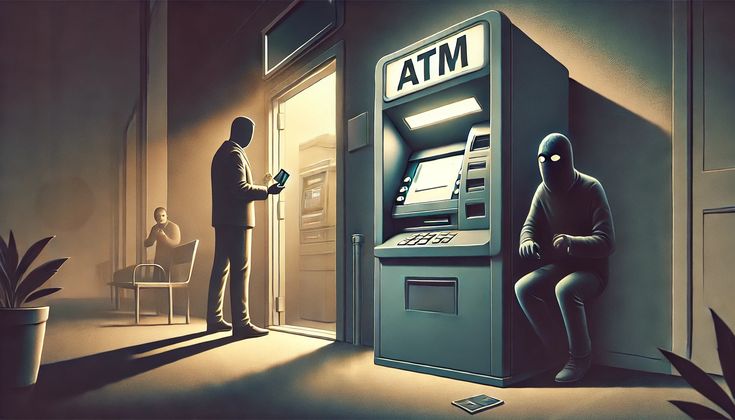
These skimmer devices can capture data from EMV chips and enable you to create new cards.
Placing an order for EMV Shimmer is quick and easy. Simply visit our product section, choose the EMV Shimmer, and enjoy the skimming process. Don’t miss out order now and get new skimming experience!
EMV Shimmer for Sale – Undetectable Chip Skimmer ATM/POS