ATM Skimmer Devices for sale: The Hidden Threat Draining Bank Accounts Worldwide
One method that has gained publicity is the use of ATM skimmer devices. These devices are designed to covertly collect credit card details, including card numbers and PIN codes, from unsuspecting ATM users. In this blog post, we will explore what ATM skimmer devices are, how they work, and which type is best.
ATM skimmer devices come in various forms, but they all share the same objective: retrieve credit card information from ATM users. The classic format of an ATM skimmer involves an overlay that is placed over the ATM’s card reader, which is equipped with a magnetic stripe reader to capture the card’s data. In some cases, a pin pad or hidden camera may also be added to capture the user’s PIN code. While these classic skimmers were effective in the past, more advanced and discreet methods have emerged in recent years. ATM Skimmer Devices for sale.
One of the earliest forms of advanced ATM skimmer devices is the insert skimmer. The first generation of insert skimmers typically featured a metal frame with a micro magnetic stripe reader and a tiny battery. These devices could be easily inserted into the card slot of an ATM and hidden from view. Once in place, the skimmer would collect data from the inserted cards and store. However, these devices had limitations, as they required a battery to operate and had a limited lifespan. Here you can see product: Buy Deep Insert NCR ATM Skimmer
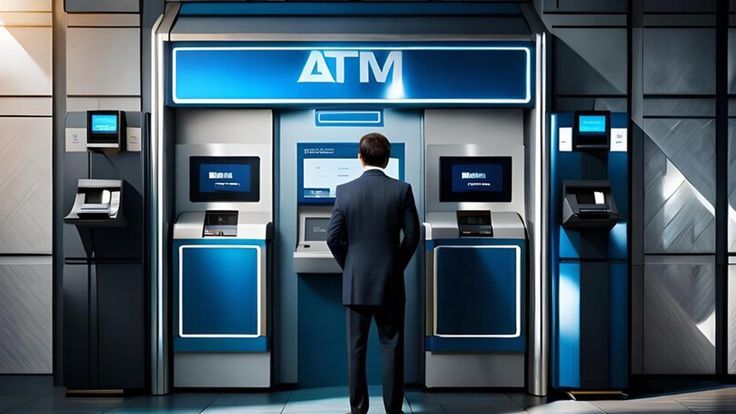
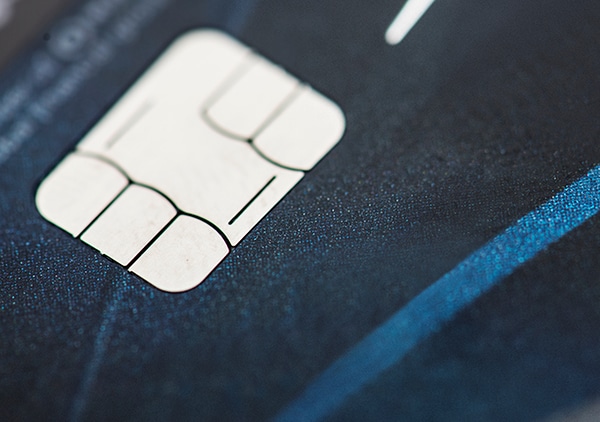
The latest generation of insert skimmers, known as EMV shimmers, have overcome these limitations and are more advanced and “user-friendly”. EMV shimmers do not require a battery, as they are powered by the ATM itself. They are typically inserted into the card slot of an ATM and attached with adhesive, allowing them to stay in place for extended periods of time, collecting card data from thousands of users. What makes EMV shimmers particularly concerning is that they not only retrieve the chip information from the card’s EMV chip, but also capture the user’s PIN code, making it possible to create a cloned card and withdraw money directly from the ATM. Here you can see product: EMV Shimmer for sale
However, there is a time-sensitive element to using the stolen card data due to the dynamic key feature of EMV chip cards. EMV chip cards use a dynamic key that changes with each transaction, which means that you must use the stolen card data quickly before the dynamic key changes. This is one of most popular skimmers because of price, negative side for EMV shimmer is thickness and high chance to damaging skimmer by wrong installation.
The most recent and sophisticated generation of ATM skimmer devices is the GSM Data Receiver. These skimmers are designed to connect to an ATM remotely via a wireless GSM network, allowing you to access credit card details and PIN codes from a distance without physically installing anything on the ATM. This makes it extremely difficult to detect these devices, as they leave no physical traces. The GSM Data Receiver has become the most popular and advanced technology among ATM skimmers. Here you can see product: GSM Data Receiver Skimmer For Sale
ATM Skimmer Devices
Imagine walking up to an ATM, swiping your card like you’ve done a thousand times before, and walking away — not knowing that in just a few hours your bank account will be drained. That’s the terrifying reality behind ATM skimmer devices.
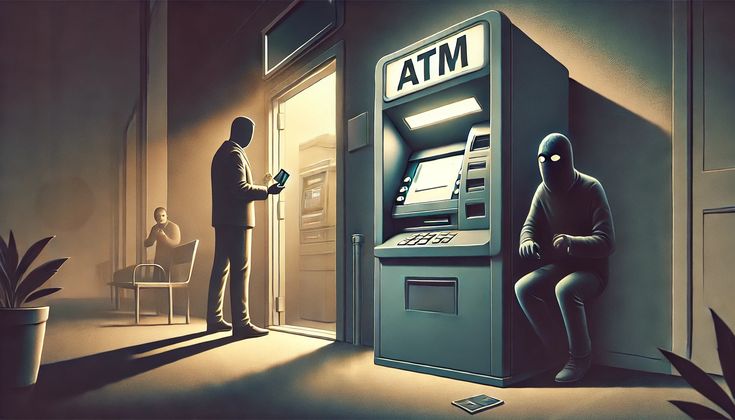
ATM skimmers are small, often invisible devices used by criminals to steal credit and debit card data. They don’t break ATMs. They don’t look suspicious. They simply sit there, quietly copying everything you type and swipe. It’s like someone standing behind you, memorizing your card and PIN, without you ever seeing them.
And the worst part? Millions of people fall victim to skimming every year.
Let’s break down how these devices work, why they’re so dangerous, and how you can protect yourself.
What Are ATM Skimmer Devices?
An ATM skimmer is a fraud tool designed to steal:
-
Card numbers
-
Expiration dates
-
Magnetic stripe data
-
PIN codes
These devices are installed either on or inside an ATM. When a victim inserts their card, the skimmer secretly copies the data while the ATM works normally. You still get your cash. The criminal gets your identity.
It’s like someone copying the key to your house while you unlock the door.
How ATM Skimmers Work
ATM skimming works in three simple steps:
-
The device is installed
-
Victims unknowingly use the ATM
-
Criminals retrieve or receive the stolen data
Once criminals have your card information and PIN, they can:
-
Clone your card
-
Withdraw cash
-
Make online purchases
-
Sell your data on the dark web
You might not notice anything wrong until your balance hits zero.
Why ATM Skimming Is So Dangerous
ATM skimming isn’t just theft — it’s identity destruction.
A single skimmer can capture hundreds of card details per day. That means one device can cause thousands of dollars in losses within hours.
Victims often suffer:
-
Financial loss
-
Frozen accounts
-
Long recovery times
-
Credit score damage
-
Emotional stress
It’s like being robbed without anyone breaking into your home.
Types of ATM Skimmers
External Skimmers
These attach over the ATM card slot. They look like part of the machine and are easy to miss.
Internal Skimmers
These are hidden inside the ATM and are almost impossible for regular users to see.
GSM Skimmers
These advanced devices send stolen data wirelessly to criminals using mobile networks, so they never need to return to the ATM.
The more advanced the skimmer, the harder it is to detect.

How Criminals Use Skimmer Devices
Criminals install skimmers in:
-
Gas stations
-
Convenience stores
-
Tourist areas
-
Isolated ATMs
-
Poorly monitored locations
They also add:
-
Fake keypads
-
Tiny hidden cameras
-
PIN-capturing overlays
Once data is collected, it is:
-
Used to withdraw cash
-
Used for online fraud
-
Sold in underground markets
Your card becomes a product.
The Black Market for ATM Skimmer Devices
Skimmer devices are traded illegally through:
-
Dark web marketplaces
-
Encrypted chat apps
-
Underground forums
Many of these markets are scams themselves. Buyers often lose money to fake sellers or law-enforcement stings.
So criminals not only steal from victims — they steal from each other.
How to Spot an ATM Skimmer
Here are warning signs:
-
Loose card slots
-
Sticky or bulky keypads
-
Hidden cameras
-
ATM behaving strangely
-
Mismatched colors or parts
If something feels off, don’t use it. Trust your instincts.
What to Do If You Find One
If you suspect a skimmer:
-
Cancel your transaction
-
Walk away
-
Notify the bank
-
Call the police
Never try to remove it yourself.
How Banks Fight ATM Skimming
Banks now use:
-
Chip-only transactions
-
Anti-tampering alarms
-
AI fraud detection
-
Encrypted PIN pads
-
ATM surveillance
Modern ATMs are getting smarter, but criminals keep adapting.
How to Protect Yourself
You can stay safe by:
-
Using chip cards
-
Covering the keypad
-
Avoiding isolated ATMs
-
Checking your bank statements
-
Using mobile alerts
A little caution goes a long way.
Legal Consequences of Skimming
Using or selling ATM skimmers is a serious felony.
Punishments include:
-
Prison sentences
-
Heavy fines
-
Asset seizures
-
Permanent criminal records
It’s not “easy money.” It’s life-ruining risk.
The Future of ATM Fraud
Skimming is declining thanks to:
-
Contactless payments
-
Biometric ATMs
-
Stronger encryption
But criminals will keep trying which is why awareness matters more than ever.
Conclusion
ATM skimmer devices may be small, but their impact is massive. They steal money, identities, and peace of mind. The best defense is knowing how they work and staying alert every time you use an ATM. In a world full of digital thieves, awareness is your shield.
FAQs
1. What is an ATM skimmer?
A device used to secretly steal card and PIN data from ATM users.
2. Can skimmers steal chip card data?
They can’t clone chips, but they can still capture magnetic stripe information.
3. How do I know if my card was skimmed?
Unexpected withdrawals or charges are the biggest sign.
4. Are ATM skimmers common?
Yes, especially in tourist areas and poorly monitored locations.
5. What should I do if I’m a victim?
Contact your bank immediately and file a fraud report.