Introduction
In the digital age of 2026, where contactless payments and biometric authentication are becoming the norm, one might assume that traditional card fraud methods like ATM skimming are relics of the past. However, the rise of GSM Data Receiver ATM skimmers proves otherwise. These devices represent a cunning blend of wireless technology and criminal ingenuity, enabling thieves to steal sensitive card data from afar without ever touching the machine. Named after the Global System for Mobile Communications (GSM) network they exploit, these skimmers have evolved from bulky attachments to compact, remote-operated tools that intercept data transmissions over distances of up to 300 meters. Buy EMV Shimmer for sale.
The prevalence of GSM Data Receiver skimmers has surged in recent years, fueled by the dark web marketplaces where they are openly advertised alongside software kits and tutorials. According to cybersecurity reports, ATM-related fraud, including skimming, accounted for over $1 billion in global losses in 2025 alone, with GSM-enabled devices playing a starring role in many cases. In the United States, the FBI has noted a 25% increase in wireless skimming incidents since 2023, often linked to organized crime syndicates operating across borders. These tools not only capture magnetic stripe data but also PINs, chip information, and even transaction details, making them a potent weapon in the arsenal of identity thieves.
This article delves into the world of GSM Data Receiver ATM skimmers, examining their origins, operational mechanics at a high level, recent trends in 2026, the devastating impacts on victims and institutions, and practical strategies for prevention. By understanding this threat, consumers, banks, and regulators can better combat what has become an “invisible” form of financial predation. As we explore this topic, it’s crucial to note the ethical and legal boundaries: possessing or using such devices is illegal in most jurisdictions, including under U.S. federal laws like the Computer Fraud and Abuse Act, with penalties including fines and imprisonment. This discussion is for educational purposes only, highlighting risks rather than endorsing any illicit activity.
What is a GSM Data Receiver ATM Skimmer?
At its core, a GSM Data Receiver ATM skimmer is a wireless fraud device designed to intercept and collect credit or debit card information from automated teller machines (ATMs) and point-of-sale (POS) terminals. Unlike traditional skimmers, which require physical installation on the card reader to overlay and capture data, GSM variants operate remotely. They exploit the GSM mobile network to scan for and connect to unsecured or vulnerable bank networks, pulling data such as Track 1 and Track 2 (which include the card number, expiration date, and CVV), PIN codes, chip data from EMV cards, and sometimes even account balances or transaction histories.
These devices are typically small—often no larger than a deck of cards—and come equipped with built-in antennas, batteries, and memory storage capable of holding data from thousands of cards. The “receiver” aspect refers to their ability to tune into wireless signals emitted by ATMs or POS systems, bypassing physical security measures. Criminals can place the device nearby (e.g., in a backpack or hidden in a vehicle) and let it passively collect data over hours or days, transmitting it via SMS or data packets to a remote phone or server. This remote capability makes them particularly dangerous, as thieves avoid the risk of being caught retrieving the device.
In 2026, advanced models boast features like extended-range antennas (up to 300 meters through walls), lifetime software licenses for data decoding, and compatibility with EMV chip cards, which were once thought to be more secure than magnetic stripes. Sold on underground sites for prices ranging from $399 to $1,650, these kits often include software to convert raw hexadecimal data into readable text files, blank cards for cloning, and even magnetic stripe readers/writers.
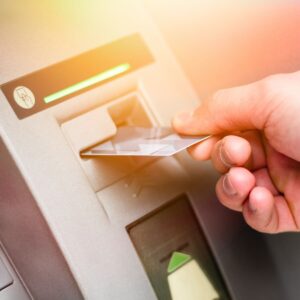
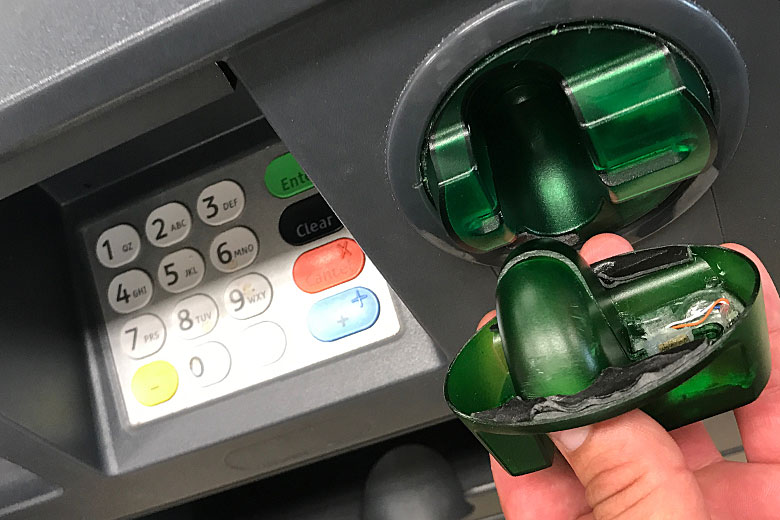
This image illustrates a typical GSM-based skimmer device, showcasing its compact design and antenna setup used for remote data capture.
Historical Evolution of GSM Data Receiver Skimmers
The concept of ATM skimming dates back to the early 2000s, when criminals began using simple overlay devices to capture magnetic stripe data. However, the integration of GSM technology marked a significant leap forward around 2010. Early reports, such as those from cybersecurity expert Brian Krebs, highlighted how GSM skimmers allowed fraudsters to receive stolen data via text messages, eliminating the need to revisit compromised machines—a major vulnerability in older models. Krebs noted that these devices were “safer and more efficient” for criminals, as they could operate from a distance, reducing exposure to surveillance cameras or law enforcement.
By the mid-2010s, the shift to EMV (chip-and-PIN) cards in many countries was intended to curb skimming, but criminals adapted quickly. GSM receivers evolved to crack chip data, exploiting weaknesses in dynamic data authentication (DDA) protocols. In regions like Europe and Latin America, where GSM networks are ubiquitous, these skimmers proliferated, leading to high-profile busts of international rings.
Entering the 2020s, the COVID-19 pandemic accelerated contactless payments, but it also increased reliance on ATMs for cash withdrawals, creating new opportunities for skimmers. By 2023, forums and dark web shops began advertising “wireless automatic” GSM receivers capable of scanning multiple machines simultaneously. In 2026, the technology has matured further, with devices now incorporating AI-assisted signal detection to identify optimal targets and evade basic network security. Global incidents have spiked, with U.S. authorities reporting a correlation between GSM skimming and broader cybercrimes like ransomware funding.
How GSM Data Receiver Skimmers Work: A High-Level Overview
While the exact internals of these devices are proprietary to criminal manufacturers, their operation can be understood at a conceptual level without delving into replicable details. The process begins with reconnaissance: Criminals identify high-traffic ATMs or POS terminals in locations like gas stations, convenience stores, or outdoor kiosks, where security might be lax.
The GSM receiver is then positioned within range—typically 50 to 300 meters, depending on the antenna strength. Powered by a battery or connected to a power source (like a laptop), it scans for GSM frequencies used by the machines’ communication modules. Once connected, it intercepts data packets transmitted during card swipes or insertions, including encrypted elements that are later decoded using accompanying software.
Data is stored locally on the device’s memory (up to 100,000 card entries) or sent in real-time via SMS to the operator’s phone. Software tools convert this raw data into usable formats for cloning cards or online fraud. The entire setup avoids physical tampering, making detection challenging.
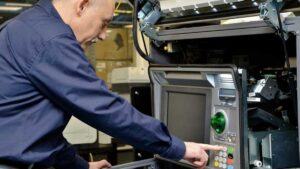
This visual depicts an ATM skimming setup in action, highlighting the discreet placement of wireless devices near machines.
Key risks include the device’s ability to bypass some EMV protections by capturing dynamic data during transactions. However, ethical considerations are paramount: Attempting to replicate or use such technology violates laws and exposes individuals to severe legal consequences, including federal charges for wire fraud.
Recent Cases and Trends in 2026
As of 2026, GSM Data Receiver skimmers continue to dominate fraud headlines. In January, a multi-national operation dismantled a ring using these devices to skim over $5 million from ATMs in Florida and New York, with equipment traced to dark web vendors. Forums like carder.market buzz with discussions on their efficacy, with users debating prices (often inflated beyond hardware costs) and scam risks from unverified sellers. ATM Jackpotting Black Box For Sale
Trends show integration with other tech: Some models now use Bluetooth for short-range data relay or apps for real-time monitoring. In developing regions, where GSM infrastructure is dense, incidents are rampant, funding larger crimes. U.S. experts predict a 15% rise in skimming due to economic pressures post-2025 recession, pushing more into underground economies.
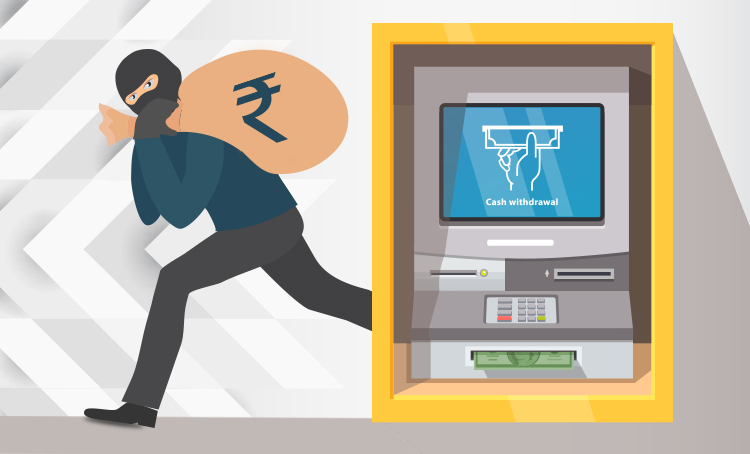
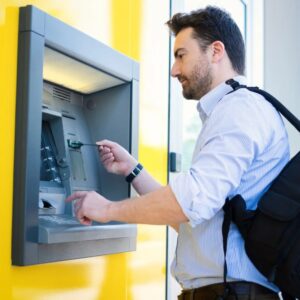
This image captures the persistence of ATM fraud, including wireless skimming, despite technological advancements.
Impacts on Individuals, Banks, and Society
The fallout from GSM skimming is multifaceted. For individuals, victims face unauthorized transactions, drained accounts, and the hassle of disputing charges—often losing hundreds before detection. Identity theft can lead to long-term credit damage, with recovery taking months. Banks absorb direct losses (reimbursing victims) and indirect costs like enhanced security investments, passing fees onto customers.
Societally, these crimes erode trust in financial systems, fund organized crime (e.g., drug trafficking), and strain law enforcement resources. In 2025, global skimming losses topped $1.5 billion, exacerbating economic inequality. Ethical dilemmas arise: While technology enables fraud, it also highlights the need for equitable access to secure banking.
Prevention Strategies: Protecting Yourself in 2026
Mitigating GSM skimmer risks requires vigilance and technology. For consumers:
- Inspect Machines: Tug on card readers; look for loose parts or unusual overlays. Use indoor ATMs in well-lit areas.
- Opt for Contactless: Use tap-to-pay or mobile wallets like Apple Pay, which generate unique codes per transaction.
- Monitor Accounts: Enable alerts for transactions; review statements weekly.
- Use Detection Tools: Devices like Skim Scan can detect hidden skimmers.
For banks: Upgrade to encrypted communications, implement AI monitoring for anomalies, and phase out magnetic stripes entirely.
Regulators should enforce stricter penalties and international cooperation.
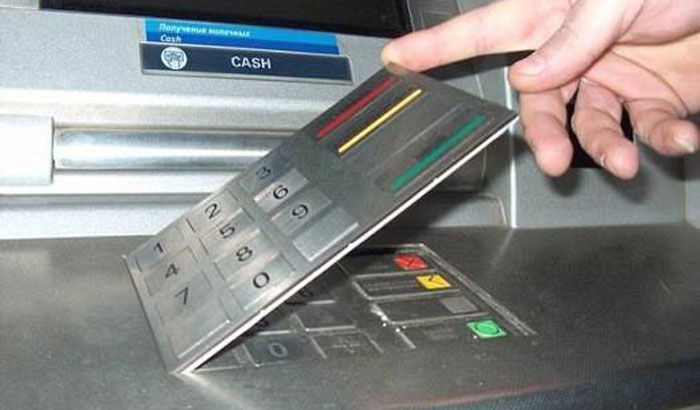
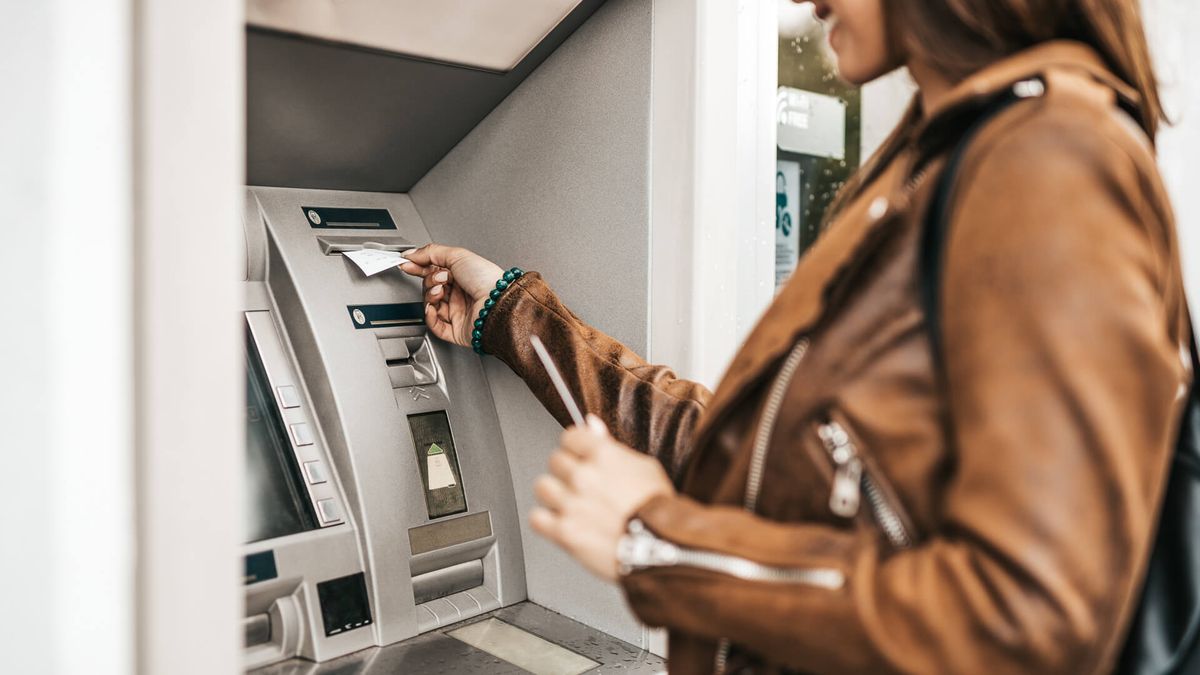
This illustration shows common security measures, such as anti-skimming tech on ATMs.
Future Outlook and Ethical Reflections
By 2027, quantum-resistant encryption may render current skimmers obsolete, but criminals will adapt—perhaps to biometric spoofing. Ethically, society must balance innovation with privacy, ensuring education on risks without fearmongering.
In conclusion, GSM Data Receiver ATM skimmers in 2026 underscore the ongoing cat-and-mouse game between security and crime. By staying informed and proactive, we can minimize their impact, fostering a safer financial ecosystem.
GSM Data Receiver – ATM Skimmer
Credit card skimmer best in marked. Everybody need it. What is best solution? Save your time and money by buying best skimmer from legitmate seller. In this post, we’ll explore how to retrieve Credit Card data effectively and introduce a fantastic tool that makes the process easier: the GSM Data Receiver.
The Importance aftersales support.
GSM Data Receiver is device that need regular monitoring. Thats why we offering best aftersales service. We keep our softwares always updated and provide our buyers free software updates.
- Live support: If your skimmer have any technical issue we can always help to solve it by Telegram.
- Troubleshooting: We are working 24/7 to help solve any issue.
- Online help: We always help our customers if they are first time users and don`t know how to operate with skimmer.
With the right tools, ATM Skimming doesn’t have to be complicated.
Meet the GSM Data Receiver
We’re excited to offer the GSM Data Receiver, a tool designed specifically for retrieving credit card data from ATMs. Here’s what makes it a game-changer:
Key Features
- Wide Compatibility: The GSM Data Receiver works with major ATM brands like Diebold, Wincor Nixdorf, Triton, and NCR. It’s also compatible with Verifone and Ingenico POS terminals, including McDonald’s systems. This versatility is a huge plus.
- Compact Design: Small and lightweight, the GSM Data Receiver easily fits into any backpack or pocket, making it convenient to carry around.
- Power Bank Option: For longer skimming time, you can connect a power bank to ensure you don’t run out of power when you need it most.
- Large Storage Capacity: This tool can hold up to 100,000 credit/depit card data files—plenty of space for all your skimming needs.
- User-Friendly Software: One of the best features is its intuitive software. You don’t have to be a tech expert to use it; anyone can easily navigate the interface and retrieve data.
- Worldwide Shipping: We pride ourselves on fast delivery, so you can get your GSM Data Receiver no matter where you are.
Why Choose the GSM Data Receiver?
Using the GSM Data Receiver can significantly improve your efficiency when skimming ATMs. Here are some benefits:
- Saves Time: Quick data retrieval means less time and more safety.
- Cost-Effective: With its competitive pricing, the GSM Data Receiver is an investment that pays off in first day.
How to Use the GSM Data Receiver
ATM Skimming with the GSM Data Receiver is straightforward. Here’s a simple guide to get you started:
- Setup: Make sure the device is fully charged. If you’re planning a long session, connect it to a power bank.
- Connect to the ATM: Launch GSM Software and connect to ATM or POS. If you need help, refer to the user manual for specific instructions.
- Start Data Retrieval: Follow the prompts to begin collecting skimmed data. The tool will gather the necessary information automatically.
- Save and Analyze: Once you’ve retrieved the data, save it for review. Analyzing this data will help you identify valid and non valid card details.
Conclusion
Skimming ATMs with GSM Data Receiver is best way to get fast credit card numbers with pin wirelessly. The GSM Data Receiver is one of the best tools available, offering compatibility with a wide range of ATM brands.
If you are looking for best ATM Skimmer feel free to purchase it directly from website. If you have any questions just contact us directly.